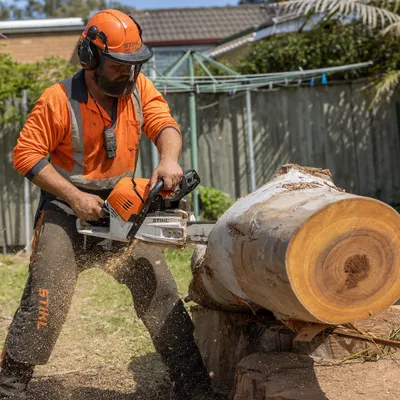
Tree Removal
Climbing dismantles or full fells for hazardous, dead or unwanted trees of any size, including jobs tight against rooflines, garden walls and Evoenergy service lines.
Tree Removal in Canberra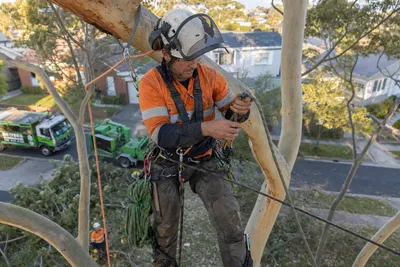
Capital-region arborists for tree removal and tree work right across the ACT. We climb-dismantle eucs over rooflines, reduce inner-north cedars and oaks, drop deadwood after a hard frost, grind stumps and run 24/7 storm callouts when a limb lands on something it shouldn't. Insured, ticketed, locally based. Ring us or send a few photos through the form and you'll have a written quote back the same day.
Climbing dismantles or full fells for hazardous, dead or unwanted trees of any size, including jobs tight against rooflines, garden walls and Evoenergy service lines.
Tree Removal in Canberra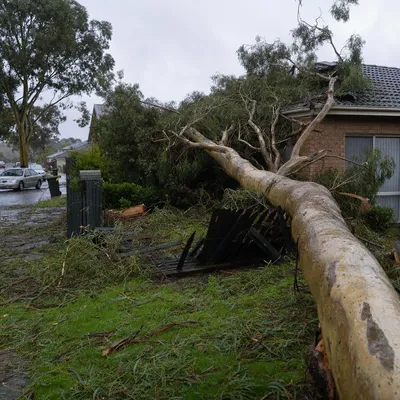
After-hours storm callouts across the ACT, snapped limbs over fences, whole gums uprooted in frost-loosened ground, branches into roofs and cars. We make safe first, schedule the full removal after.
Emergency Tree Services in Canberra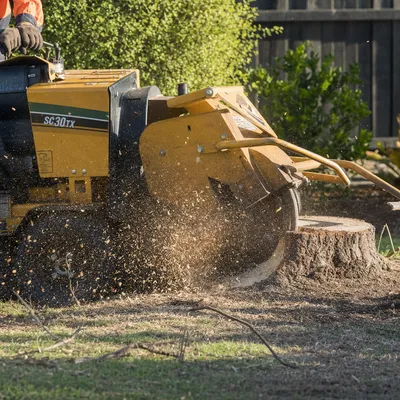
Stump grinding below grade so the patch is ready to returf, repave or replant. Small access grinders fit through standard side gates.
Stump Grinding in Canberra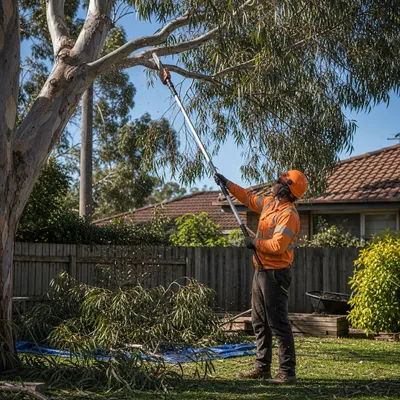
Crown lifts, crown reductions, deadwood drops and shaping work to bring light back, keep limbs off the roof and pull a leaning tree back into balance.
Tree Pruning in Canberra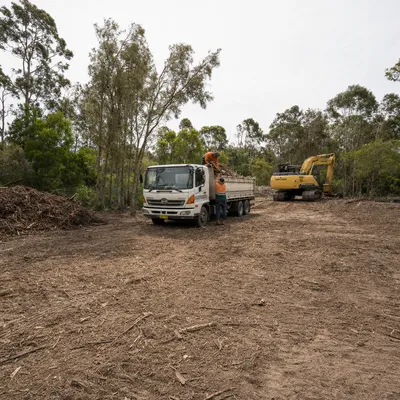
Residential, small-acreage and bushfire-buffer clearing. Selective fell to the permit footprint, retained canopy protected, mulched on site or carted away.
Land Clearing in Canberra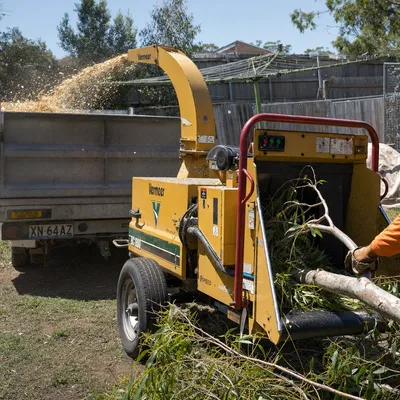
On-site chipping of every prune and fell. Fresh chips left as garden mulch, or carted off. Bulk aged mulch available for delivery around the capital region.
Mulching & Wood Chipping in Canberra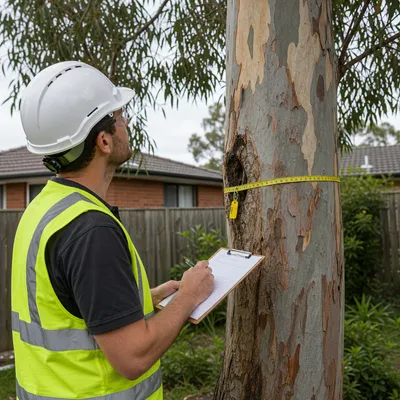
Written reports for ACT permit applications, insurance claims or neighbour disputes, coordinated with a consulting arborist when the situation calls for formal advice.
Arborist Reports in CanberraQuick call or a few photos through the enquiry form. Tell me what the tree is, what's around it and where the truck and chipper can park.
I look at the lean, the drop zone, the rigging picture and anything close by, house, fence, pool, service lines, neighbour's shed.
Itemised written quote covering climbing, rigging, chipping, optional stump grinding and the haul-away decision.
Climbing kit, EWP or crane depending on access. Sections come down on ropes, every limb lowered controlled rather than dropped.
Stump ground out if you've ticked it. Chips spread, piled or hauled. Drop zone raked, paths blown clean, gate closed on the way out.
If a tree or branch is touching powerlines, stay clear and call Evoenergy on 13 10 93 or 000 for emergency services.
Kill power at the main switch
If any limb is touching wires or sitting near the service drop, drop mains power at the switchboard before anyone gets close to the tree.
Get photos before moving anything
Wide shots and close-ups from every angle, before anyone touches the debris. The insurer will want this for the claim file.
Treat every wire as live
Assume any line is energised. Ring Evoenergy on 13 10 93 to make the network safe, I will not cut near live conductors.
Ring me for the make-safe
Same-day attendance across the ACT for storm callouts. Make-safe first to stop more damage, then the full removal goes into the diary for normal hours.
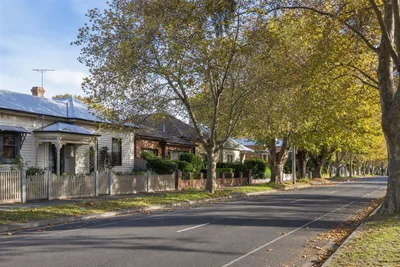
Tall cedars, oaks and pin oaks lining Braddon and Dickson blocks where the canopy outranks the cottage. Climbing dismantles with full rigging is almost always the right call.
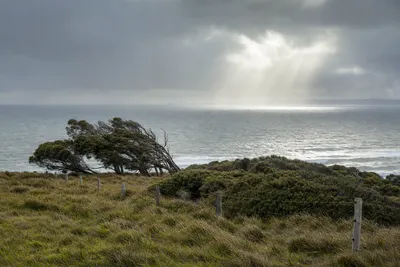
Hard frosts split exotic limbs, then dry summers stress the eucs. ACT weather pulls trees apart slowly and then drops them in one squall, we run 24/7 callouts when that happens.
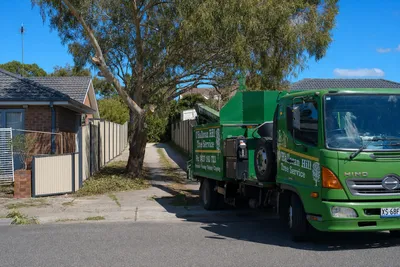
Out west and south, the suburbs run straight into bushland. Defendable-space clearing, fuel-load reduction and selective removal need a crew that respects what stays and what comes out.
Why locals choose us
Qualified arborists with public liability insurance and a locally based crew. Quotes are written and itemised. Sites are left clean.
Public liability insured
Ticketed, locally based arborists
Same day written quotes
Capital-region crew working across Canberra and the ACT
Every job is planned around the tree, the property, the neighbours and the cleanup
EWP access, chippers, climbing kit, rigging gear and stump grinders
A snapshot of the common jobs we quote on across Canberra. Every yard is a bit different, but most fall into one of these shapes.
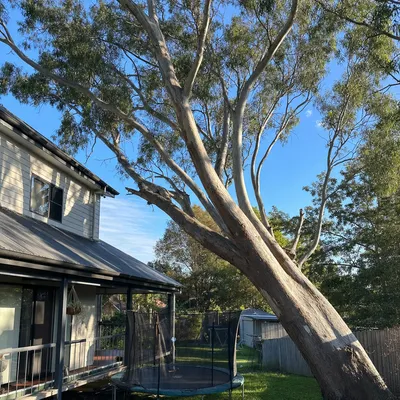 TYPICAL BEFORE
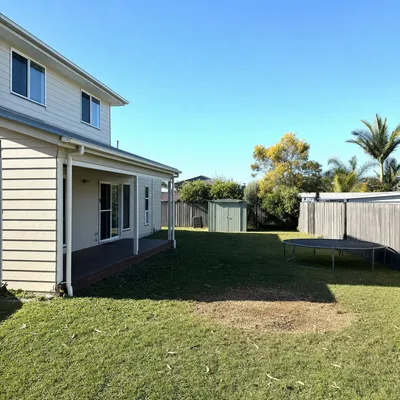 TYPICAL AFTER
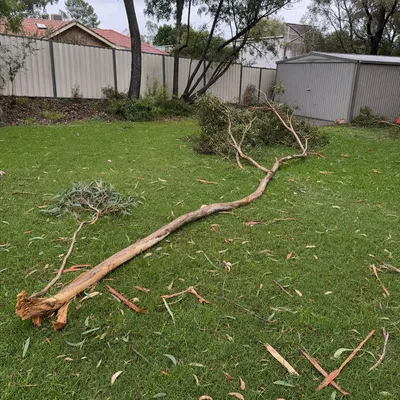 TYPICAL BEFORE
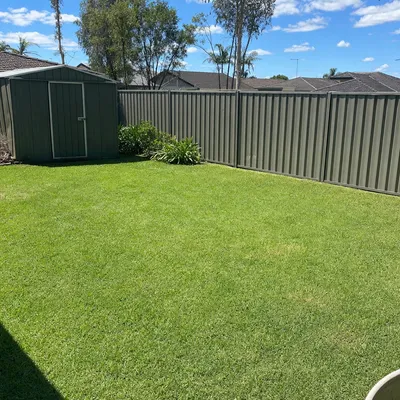 TYPICAL AFTER
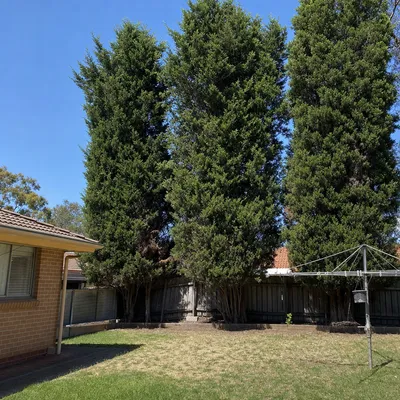 TYPICAL BEFORE
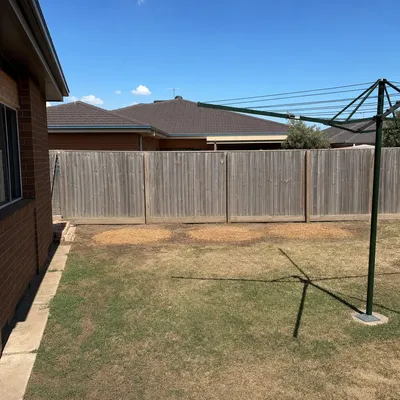 TYPICAL AFTER
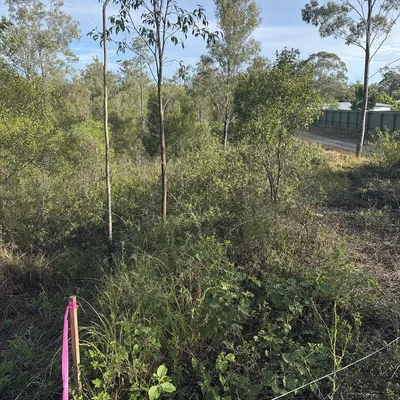 TYPICAL BEFORE
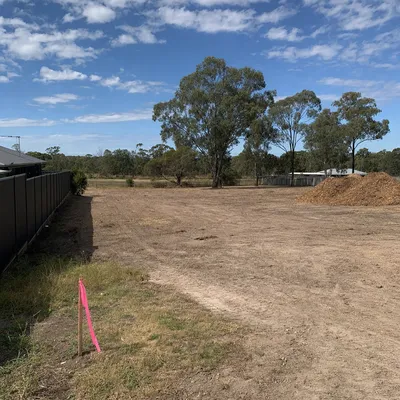 TYPICAL AFTER
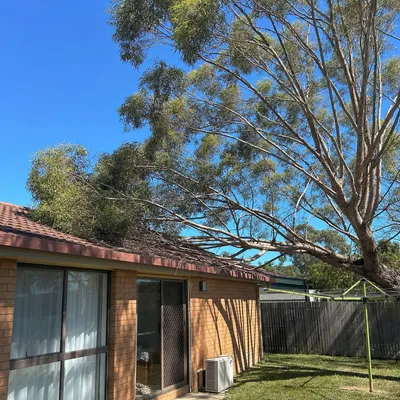 TYPICAL BEFORE
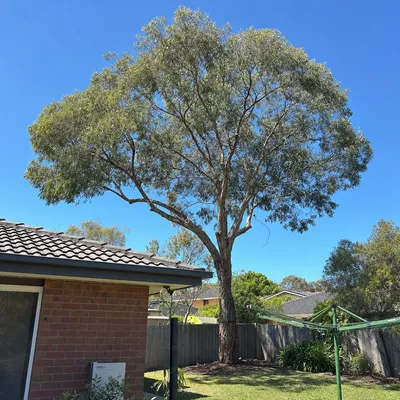 TYPICAL AFTER
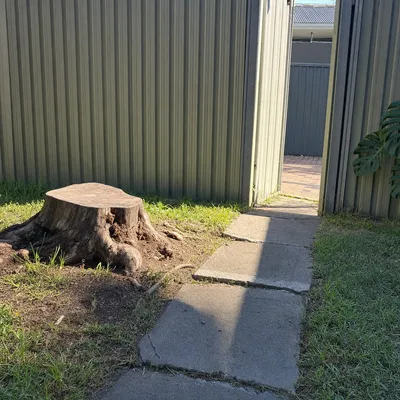 TYPICAL BEFORE
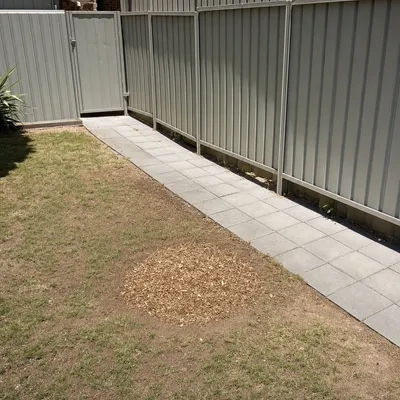 TYPICAL AFTER
Real price bands from the jobs we quote each week. Every site is different, but most jobs land inside one of these four bands.
Backyard tree under 6m, clear access, no rigging needed
What's in scope: Hand climb or pole saw, sectional drop, brush chipped, light rake-out
6 – 12m gum or pine, standard ACT block, normal side-gate access
What's in scope: Climber plus groundie, controlled rigging, on-site chipping, drop zone tidy
Over 12m, leaning over a roof or service line, tight inner-north access
What's in scope: EWP or crane, full rigging plan, Evoenergy coordination if wires are involved, full cleanup
After hours, weekends, storm callouts
What's in scope: Added on top of the band above. Make-safe first, full removal scheduled back into normal hours.
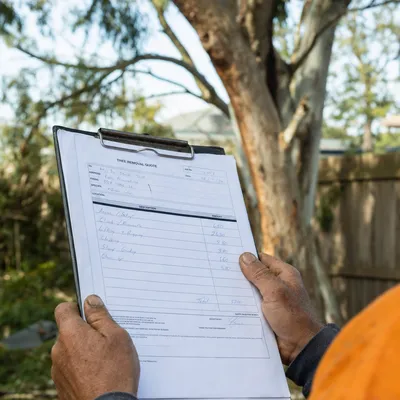
The cheap quote and the expensive quote are usually the same job done two different ways. Here's how to tell which one you're getting, and what a real quote should look like before you say yes.
Current public liability cover
Ask to see the Certificate of Currency before anyone starts. Anything under $10M cover is light for tree work next to a house.
Itemised written quote
A proper quote shows separate lines for access setup, climbing, rigging, chipping, optional stump grinding and haulage. A single number means the price can shift on the day.
Site visit, not just a phone price
Quoting blind from a photo is guesswork once the tree is bigger than a backyard ornamental. Insist on a walkaround for anything serious.
Ticketed arborist on the saw
Industry standard is an AQF Level 3 climbing arborist with chainsaw and EWP tickets. Ask who is climbing the day they show up.
Pruning to the AS 4373 standard
Industry pruning practice in Australia is set out in AS 4373-2007. Lion-tailing and topping break the standard and damage long-term tree health.
No cash up front
Most legitimate operators bill on completion or take a card deposit at most. Cash demanded before any saw runs is the classic door-knocker scam.
Marked truck, real gear
Door-knockers in unmarked utes are almost always uninsured. A real outfit shows up with a chipper, a tipper, climbing kit and signage on the door.
Local references and job photos
Ask for two recent jobs around your suburb. A capital-region crew will name streets and send before-and-after photos without hesitation.
Short answer: storm damage usually yes, removing a healthy tree usually no. Here's the line most Canberra policies draw, always confirm with your specific insurer.
Tree down on an insured structure
Home and contents policies usually pay to remove a storm-damaged tree that's landed on the house, garage, fence or car.
Make-safe stabilising work
Pulling a half-fallen tree off the building so it doesn't cause more damage is generally folded into the claim.
Debris removal tied to the claim
If we pulled the tree off your roof, the brush clean-up and stump grinding linked to that job are usually paid out too.
After-hours callouts the insurer green-lit
Out-of-hours make-safe work is normally reimbursed if you ring the insurer first and they ok the spend.
A healthy tree you just want gone
Removing a tree that hasn't actually damaged anything is owner-paid, no matter how much you don't like it.
Routine pruning
Crown reductions, deadwooding and gutter-clearing prunes are maintenance, not insurance work.
Stump grinding after a healthy fell
No insured damage means the stump is yours to sort out.
A neighbour's tree on their block
Your policy will not pay to take down someone else's tree on someone else's property.
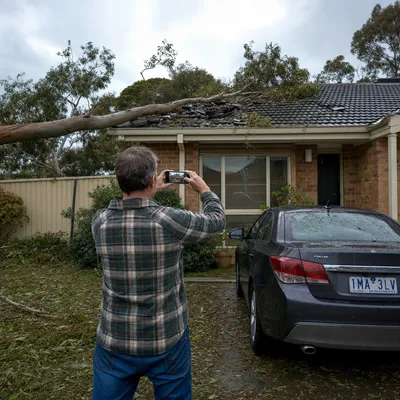
Smooth claims come down to documentation. Send your insurer all of this on day one:
We provide the written job report and Certificate of Currency at no extra cost, just ask when booking.
Most small backyard trees on residential blocks don't need a permit. Large, native or heritage trees usually do. Run through these three questions before booking the work.
These are the protected-tree thresholds under the ACT Tree Protection Act 2005. Hit either one and you almost certainly need approval from the Conservator of Flora and Fauna.
Canopy spread is a third trigger under the Act. Registered trees need approval regardless of size, the register is held by the Conservator.
Lease conditions and DA conditions can override the standard tree rules. Worth checking the lease before you book the saw.
Any answer "yes"? A permit application is the safest path. Removing a protected tree without one carries fines starting around $5,000 and going much higher for heritage trees.
ACT Government (Transport Canberra and City Services) permit formThree things you choose at quote time, what we do with the chips, whether the stump goes, and what you want left as firewood.
All brush is chipped beside the driveway. Leave the heap, spread it across your garden beds, or pay a haulage line to have it carted away.
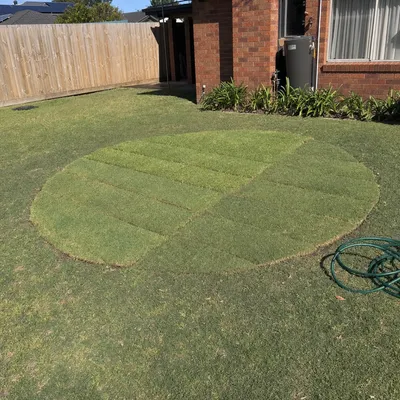
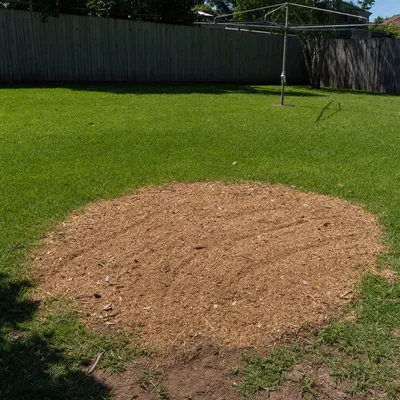
Stump grinding is priced as a separate line ($160–$420 typical). Once the stump is out the patch can be returfed, repaved or replanted straight away.
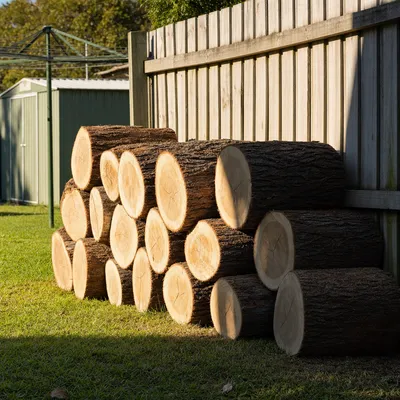
Hardwood that's worth burning (redgum, ironbark, well-seasoned euc) can be bucked into rounds and stacked against the back fence on request. Handy if you have a slow combustion heater or a pizza oven.
After the stump grinder pulls out, backfill the hollow with screened topsoil and tamp it firm, fresh chips on their own will sink as they break down. For a lawn finish, lay couch or kikuyu turf rolls over the topsoil and water in lightly twice a day for the first ten days. For a garden bed, blend the leftover chips through compost and let the patch rest a season before planting anything that matters; decomposing wood ties up nitrogen as it rots and will starve young roots.
The fence line is where most tree disputes start. The rule in Australian Capital Territory is simple, but only if you know where the trunk actually sits at ground level.
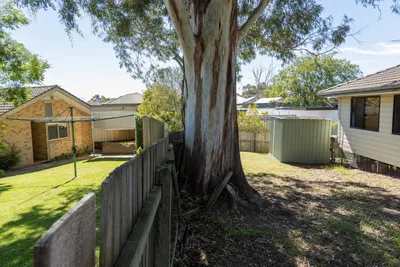
Quick test: stand at the trunk and look at where it meets the ground. The owner of the land the trunk sits on owns the tree, even if half the canopy is over the fence.
Rule: If the trunk sits fully inside your property at ground level, the tree is yours. You wear the cost of removal and any ACT permit, even if the canopy hangs over next door.
What we do: I quote it like any standard backyard job. If the easiest access path runs through the neighbour's yard, I'll knock and ask first.
Rule: If the trunk straddles the boundary, the tree is jointly owned. Neither side can act alone, agreement in writing first, before any saw runs.
What we do: I won't open up a boundary tree until both owners have signed off on the scope, the cost and who pays what. Keeps everyone protected.
Rule: If a neighbour's tree drops limbs or roots onto your side, you have the right to prune anything crossing the boundary at your own expense, and the prunings legally belong to them.
What we do: I cut clean back to the boundary under AS 4373 and have a quiet chat with the neighbour first so it doesn't blow up into a dispute later.
Stuck mid dispute? Call us first, we'll quote both sides without taking a position. Most neighbour issues are solved by getting an honest written quote in front of both parties.
Talk to us about a boundary treeDon't see your suburb? Get in touch. We likely still cover it.
A small straightforward tree can cost a few hundred dollars. A large hazardous removal with rigging and tight access can cost several thousand. Here is what we actually weigh up.
Trunk diameter, total height and canopy reach set the baseline rate.
Narrow side gates, retaining walls, slope and parking distance can shift a job from one day to two.
Anything over a house, near service lines or above a paved area gets roped down piece by piece, that's the time multiplier.
Below-grade grinding is a separate line. Species, surface roots and stump size all change the grinder time.
Leave them as garden mulch and the quote drops. Cart them off and the haulage line gets added.
Out-of-hours storm callouts run hotter than scheduled work, that's the make-safe premium.
Need tree removal in Canberra? We're a locally based team of qualified arborists handling everything from a single hazardous gum near the house to large acreage land clearing. Sectional dismantling, crown reduction, deadwooding and stump grinding, planned around the property. Fully insured, same day quotes.
We handle emergency storm damage callouts, tree pruning, stump grinding, land clearing and on site chipping with mulch supply across Canberra.
If your job needs a formal arborist report for insurance or a dispute, call us and we'll point you to a qualified consulting arborist.
A small ornamental in a clear backyard might land around $350–$650. A medium gum or pine with rigging usually sits between $850 and $1,900. Large hazardous removals over a roof or near service lines run from $2,100 well into five figures depending on access and crane needs. Size, access, rigging load and stump choice are the four numbers that move the price.
Yes. The crew on the saw are ticketed climbing arborists and we carry public liability cover. Certificate of Currency available on request before the job starts.
Most enquiries get a same-day written quote back. Non-urgent removals book in inside a week. Storm and hazard callouts run 24/7 across the ACT.
Yes. Trees jammed up against a roofline, fence, pool or service line come down sectionally, climber sets rigging anchors high in the tree, every limb is roped and lowered piece by piece, drop zone planned before any saw runs.
Yes. After-hours storm callouts across Canberra and the wider ACT, branch through a roof, half a gum across the driveway, limb on the car. Make-safe first, then a full removal scheduled back into normal hours.
Stump grinding shows up as a separate line on the quote. Tick it if you want the patch ready to returf or repave, leave it off if you'd rather keep the stump as a feature or sort it later.
A small backyard tree is usually a half day. A medium tree with rigging fills a full day. Large hazardous removals and multi-tree jobs run across two or three days, especially when an EWP or crane is involved. The written quote spells out the expected timing for your specific job.
Brush gets chipped on site, drop zone raked, paths blown clean. Chips can stay piled on the verge, get spread into garden beds, or be carted off for a haulage fee. Hardwood logs can be bucked into firewood rounds and stacked along the fence on request.
I check the canopy before any cut starts. If a hollow is active or a nest is in use, the job pauses, we reschedule, redesign the work around it, or wait out the breeding window depending on what's living up there.
Yes. Bushland-interface blocks around the capital often need fuel-load reduction, lower-canopy lifts and selective removal. Multi-tree clearing jobs are priced as one bundle so you get a single quote for the whole property.
Yes. I'll quote the work and talk both sides through what's involved, but I won't start a boundary tree until both owners have signed off in writing on the scope, the cost and the split.
Storm damage to an insured structure (house, garage, fence, car) is usually paid out, including the make-safe attendance and the brush clean-up tied to that claim. Healthy trees you simply want gone, and preventative pruning, are owner-paid. Always ring the insurer before authorising paid work, and ask for our written job notes plus a Certificate of Currency to staple to the claim.
Ask for a current public liability Certificate of Currency, a site walkaround rather than a phone-only price, and an itemised written quote that breaks out access, climbing, rigging, chipping, stump and haulage. Walk away from anyone demanding cash up front. Look for an AQF Level 3 climbing arborist with chainsaw and EWP tickets, a marked truck and a real chipper, unmarked utes door-knocking after a storm are almost always uninsured.
A real quote shows separate dollar lines for site setup, the climber or EWP day rate, rigging and controlled lowering, on-site chipping, optional below-grade stump grinding, the haul-away decision and GST broken out. A single round number with no breakdown almost always shifts upward on removal day.
If the tree was rooted on your block, you organise removal, and your home and contents policy usually pays out when an insured structure has been hit. Ring the insurer first and photograph everything before moving any debris. If a neighbour's tree came down onto your block, you still arrange the removal; you can chase the cost back through your insurer if there's damage, or theirs if negligence is on the table.
The ACT Tree Protection Act 2005 protects any tree 12m tall or more, with a trunk circumference of 1.5m or more measured at 1m above ground, or with a canopy spread over 12m. Trees on the ACT Tree Register are protected regardless of size. Removal approval is granted through the Conservator of Flora and Fauna under Transport Canberra and City Services. Dead, dangerous or genuinely declining trees, fruit trees and small trees below the thresholds are usually exempt, but document the condition first. Fines for unauthorised removal start around $5,000 and climb fast.
Most of the bill is rigging time and risk management, not chainsaw work. A tree you can fell straight onto lawn is cheap and quick. A tree behind a heritage cottage with a tight side gate, leaning over a slate roof and next to an Evoenergy service drop, gets every single limb roped and lowered, that's hours of climbing, specialist gear, and the insurance cover behind it. The saw work is the easy bit.
Once the stump is ground out, backfill the hollow with screened topsoil rather than just leftover chips, chips slump as they decompose and tie up nitrogen while they break down. For lawn, lay couch or kikuyu turf rolls over the topsoil and water lightly twice a day for ten days. For a garden bed, mix the chips through compost and let the patch rest a full season before putting anything in that you actually care about.
Call now or fill in the enquiry form for a local tree removal quote.